



5 keys to your olive harvest
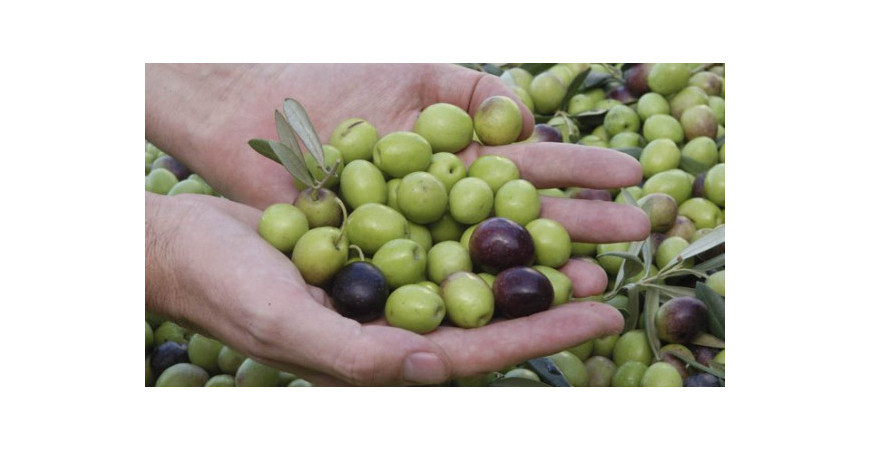
Results cannot be guaranteed, because many factors have an effect. Weather can undo all the work, and soil type also matters. Nevertheless, following these steps improves your chances of achieving an olive harvest every year.

1. Harvest olives early
The sooner olives are harvested, the more time the tree has to recover. While olives remain on the tree, they consume its resources.
Early harvesting gives the tree time to recover both from harvesting damage, such as branches broken by shakers or poles, and from the nutrients used by the fruit.
Timing varies according to whether olives are intended for oil or curing as green table olives. Table olives are usually picked in October and early November. Harvesting for oil generally starts in late November and may continue until February of the following year.
2. Prune olive trees early
Early pruning is another important factor in obtaining a harvest every year. All branches absorb nutrients. Removing unnecessary branches sooner reduces the resources they use, leaving the tree with more energy when flowering begins.
The pruning date depends on the harvest date. In our area, pruning usually starts no earlier than late January, when temperatures begin to fall.
3. Suitable cultivation and weed control
Uncontrolled weeds also consume soil resources. Nutrients used by these plants will no longer be available when the olive trees need them.
The third key is therefore weed control and cultivation suited to the slope, location and soil type.
4. Fertilise the soil
Fertilising the soil around olive trees is recommended when weather conditions allow. There are many types of fertiliser. A compound fertiliser providing the nutrients needed at the start of new growth is generally recommended.
Our cooperative has a technician available to advise any member on the most suitable fertiliser for their olive grove.
5. Start the first plant protection treatment when our technician recommends it

The first treatment focuses primarily on supplying nutrients to help the tree produce as much new shoot growth as possible, locally known as “entalono”. More new growth gives the tree greater potential to develop olives.
An early treatment allows time for the tree to absorb nutrients and develop shoots before flowering, which normally takes place in May.
The first treatment is usually recommended for late March, although you should always consult your technician.
Other important treatments follow, including the second treatment associated with Prays oleae.
Each step should be carried out as early as possible within the appropriate period, so that the tree has what it needs to develop shoots, flowers and subsequently olives. If you would like to contribute to this article, please leave a comment; interesting suggestions will be welcomed.