



Frying with olive oil: myths and legends
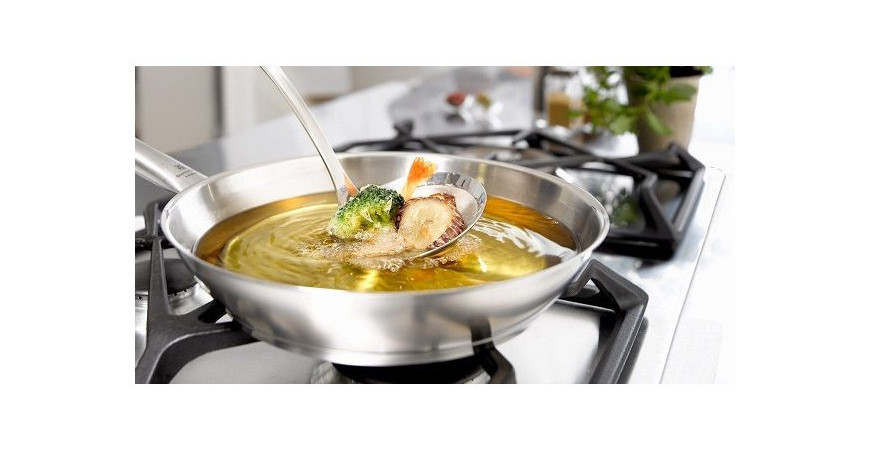
Cooking with olive oil: frying, myths and legends
More and more cooks are convinced that olive oils are the best choice for frying. Frying in olive oil can be healthy when done properly. The original article describes olive oil as the only oil capable of withstanding high temperatures (180°C) without breaking down or losing its properties. It also explains that it forms a crisp layer, enhancing flavour and helping prevent food from becoming soaked in fat, while keeping the inside tender and preserving vitamins and other properties.
In this video, you can see spectacular torrijas being fried: tender inside and firm outside after cooking in olive oil.
Knowing how to fry correctly is important. Incorrect frying can change the oil’s chemical structure and cause it to lose many of its properties. The article cites research by the University of Granada finding that vegetables fried in extra virgin olive oil gained antioxidant capacity as phenols passed from the oil to the vegetables. These compounds help prevent cholesterol oxidation in the blood, a cardiovascular risk factor.
Follow these tips for golden, evenly cooked, crisp food and rediscover frying as a useful cooking technique.
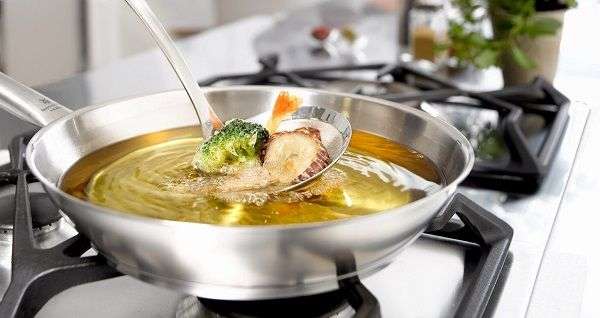
- Use enough olive oil to cover the food completely so it fries evenly. This helps prevent burning or excessive softness.
- Lower food slowly into the oil to avoid unpleasant, possibly painful splashes and a sudden drop in oil temperature.
- Food must be dry before frying: water droplets cause hot oil to splash.
- Do not cover the pan. This prevents steam from condensing and dripping into the oil, causing splashes.
Do you have any tips you would like to share?